Career Journey after FAANG
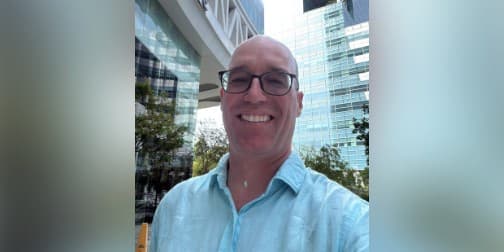
The company cultures of the FAANG companies and those of their generation have changed over the past 10-15 years, and we’re seeing veteran employees no longer aligned with their companies.
I think that’s why we’re seeing a lot of posts from employees who left those companies creating their own startups. The missions of these companies have shifted over time, and for good reason. As businesses, they need to shift how they operate, or, as we used to say in Google, move from a teenage company to a grown-up company.
The challenge is that the culture of these companies has also changed, from highly collaborative and experimental to more structured, allowing for less testing and fewer failures, less learning and growth, and a less playful, fun culture that nurtures such experimentation. In the past years, particularly after COVID-19 ended, many of these companies have become much more focused on productivity and efficiency, and, as a result, their internal cultures have become more competitive.
For many talents, including myself and colleagues across the industry I’ve spoken with, the new culture isn’t exactly what we signed up for; we preferred working in a collaborative environment, having fun working together, and learning and growing from each other, and we don’t really appreciate the new style of competitiveness.
There was always an appreciation for competition, but cooperatively competing, like a team sport. The more recent competitiveness feels much more like the knives-out style. It’s a fight to compete to survive against each other, not competing to win as one. So what we see is an unfortunate exodus of high-quality talent from these companies, either being pushed out because they don’t fit the new model or leaving of their own volition to continue to build and dream and innovate on their own – whether it’s in an AI startup or something a bit wacky like my own company. I saw a quote that said, “Anthropic feels like Meta felt ten years ago.”
A generation of workers is leaving their old companies to fulfill dreams they no longer see themselves able to achieve there. This isn’t a knock on those companies. They are still producing incredible products and in many ways are still incredible places to work. They often need a different type of employee, just like the employees need a different challenge. Both sides are growing apart. Both can be successful.
You might also like reading this:
Sales Systems in The Age of AI
As a startup cofounder, it was interesting to watch the recent selloff in software stocks, driven by the idea that AI is coming for them. Trust me, I get it. When we star...
Effective Sales Techniques
One of my favourite success stories is taking a 50% share of the retail market with zero marketing dollars. When I was the general manager of ANZ for AMD, things were in...
Innovation and Leadership
I’ve seen plenty of wellintentioned leaders who genuinely want innovation, yet they slowly stifle it without realizing they’re doing it. Not because they’re loud (well, s...
Global Work
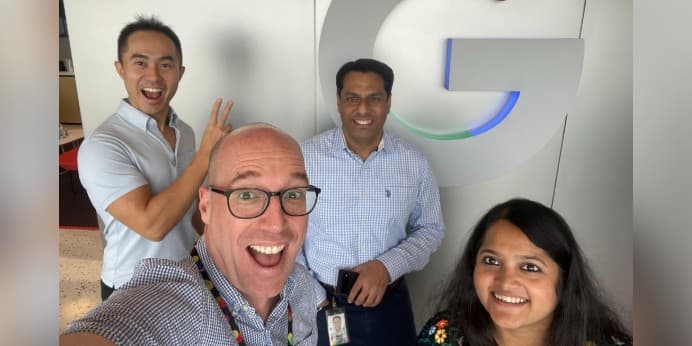
When I look at this photo, it reminds me just how strangely global and wonderfully chaotic my Google years were. This was one of my little leadership cluster: Alfred on t...
The Best Advice I Never Followed
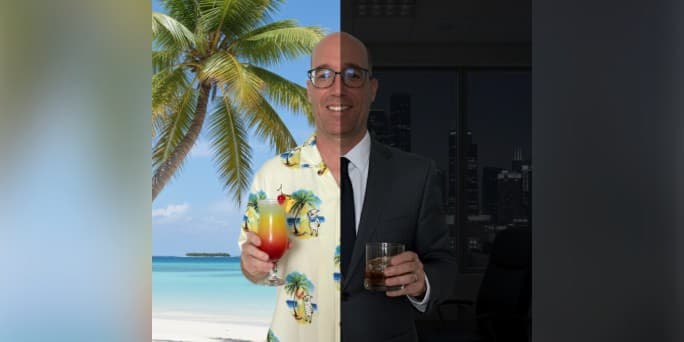
The best piece of advice I’m glad I never followed was “You need to have an old soul.” Following it would have helped my career. It also would have robbed me of my authen...